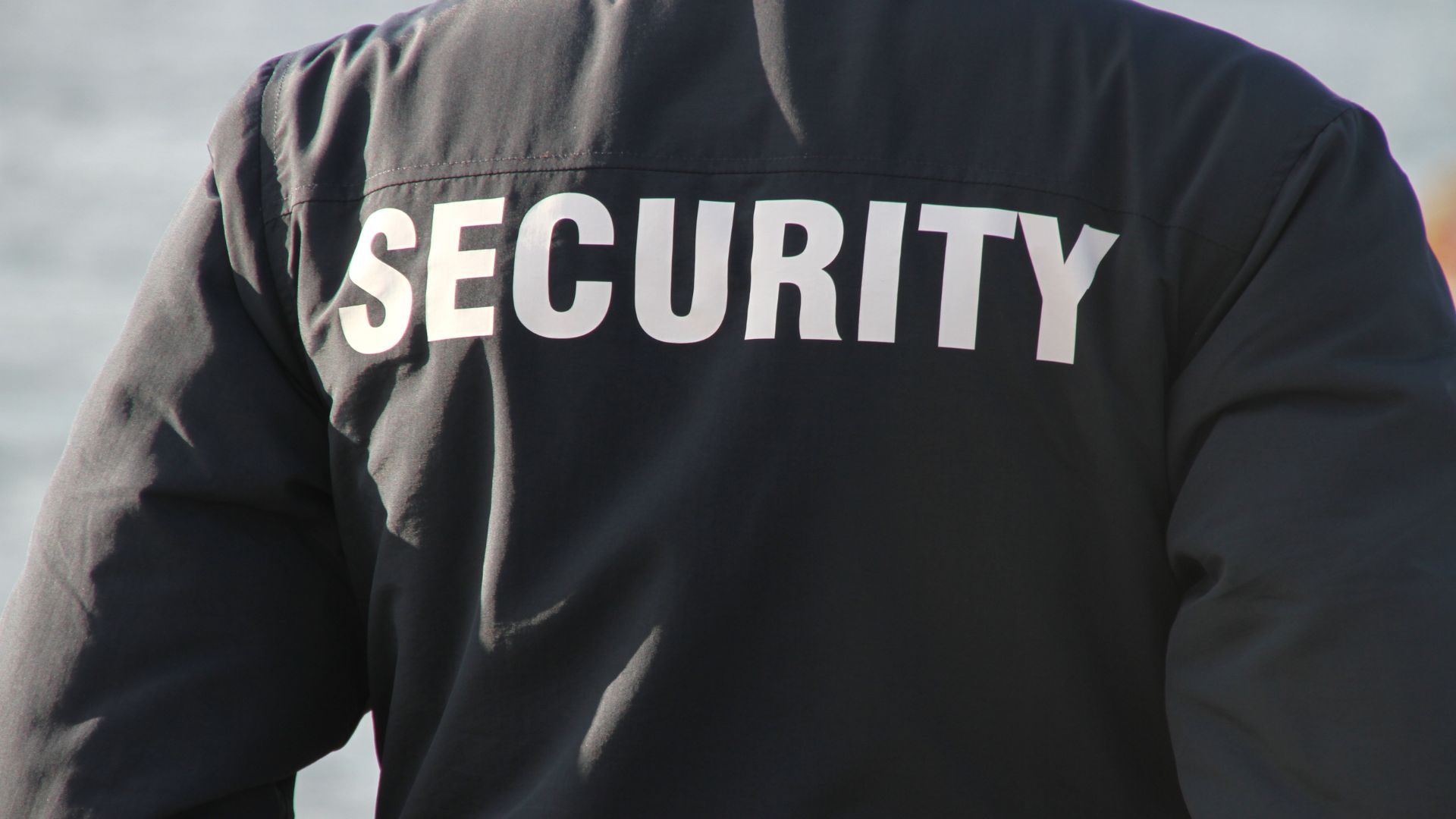
Security guards play an important role in protecting people, property, and businesses throughout El Paso. Whether working at office buildings, schools, healthcare facilities, shopping centers, industrial sites, residential communities, or special events, security professionals are often responsible for maintaining order and responding to unexpected situations. While many people associate security work with crime prevention and access control, the reality is that security guards frequently encounter medical emergencies as well.
Because security personnel are often stationed on-site and available when emergencies occur, they may be among the first individuals to arrive at the scene of an incident. Their ability to remain calm, assess situations, and take appropriate action can make a meaningful difference while waiting for emergency medical services to arrive.
For many security professionals, completing a CPR Certification course is an effective way to develop emergency response skills and prepare for situations that extend beyond traditional security responsibilities. CPR training helps security guards build confidence and gain valuable knowledge that can support public safety in a wide range of environments.
Security Guards Are Often First on the Scene
In many workplaces and public facilities, security personnel serve as the first point of contact during emergencies. Employees, visitors, customers, and tenants often look to security staff for guidance when unexpected situations occur.
Unlike emergency responders who must travel to a location, security guards are frequently already present when an incident happens. This immediate presence allows them to begin evaluating situations and coordinating assistance while professional responders are dispatched.
Because of this responsibility, many organizations value security personnel who possess emergency preparedness skills and understand how to respond during medical incidents.
Medical Emergencies Can Occur Anywhere
El Paso is home to a wide variety of businesses, government facilities, educational institutions, healthcare centers, entertainment venues, and residential communities. Medical emergencies can occur in any of these locations without warning.
Examples of emergencies security guards may encounter include:
- Cardiac emergencies
- Choking incidents
- Heat-related illnesses
- Allergic reactions
- Seizures
- Falls and traumatic injuries
- Breathing emergencies
- Sudden medical conditions
Regardless of the setting, security guards are often responsible for helping manage the situation until emergency medical professionals arrive.
Why Immediate Response Matters
When a medical emergency occurs, the first few minutes can be critical. While calling 911 should always be a priority when appropriate, professional responders may require time to reach the scene.
During that period, security personnel may be responsible for:
- Assessing the situation
- Contacting emergency services
- Guiding responders to the location
- Assisting affected individuals
- Managing crowds
- Communicating with staff and management
Having emergency response knowledge can help security guards perform these duties more effectively and with greater confidence.
Cardiac Emergencies in Public Spaces
Cardiac emergencies can happen in virtually any environment. Shopping centers, office buildings, schools, manufacturing facilities, sports venues, and public events may all experience medical incidents involving visitors, employees, or guests.
Security guards are often among the first people notified when someone collapses or becomes unresponsive. Because they frequently patrol facilities and maintain visibility throughout a property, they may reach the scene before anyone else.
Understanding how to recognize a serious medical emergency and respond appropriately can help security professionals provide valuable assistance during critical situations.
Security Professionals Work in High-Traffic Environments
Many security guards work in locations that serve large numbers of people each day. The greater the number of occupants or visitors, the greater the likelihood that a medical emergency may occur.
Security personnel commonly work at:
- Shopping malls
- Schools and universities
- Hospitals and medical offices
- Hotels
- Government buildings
- Industrial facilities
- Sporting events
- Concert venues
- Residential communities
In these environments, security guards often play an important role in supporting overall emergency preparedness efforts.
Heat-Related Emergencies in El Paso
El Paso’s desert climate presents unique challenges for both workers and the public. High temperatures can increase the risk of dehydration, heat exhaustion, and heat-related illnesses, particularly during the warmer months.
Security guards who patrol outdoor areas, parking lots, construction sites, and large event venues may encounter individuals experiencing symptoms related to excessive heat exposure.
Common warning signs may include:
- Dizziness
- Fatigue
- Headaches
- Nausea
- Excessive sweating
- Confusion
Recognizing these symptoms early can help security personnel take appropriate action and contact emergency services when necessary.
Security Guards Support Emergency Action Plans
Many organizations maintain emergency action plans that outline procedures for responding to medical incidents, fires, severe weather events, and other emergencies.
Security personnel are often expected to understand these plans and assist with implementation when situations arise.
Responsibilities may include:
- Coordinating emergency communication
- Directing responders to the scene
- Securing affected areas
- Assisting with evacuations
- Providing information to emergency personnel
Training and preparation help ensure that security guards can perform these responsibilities effectively under pressure.
The Value of CPR Training for Security Personnel
Security work often requires individuals to remain alert, observant, and prepared for a wide variety of situations. CPR training complements these responsibilities by providing additional emergency response knowledge.
Benefits of CPR training for security guards may include:
- Greater confidence during emergencies
- Improved situational awareness
- Better preparedness for medical incidents
- Enhanced professional development
- Increased value to employers
Training also provides opportunities to practice responding to realistic emergency scenarios in a structured learning environment.
Building Trust with Employees and Visitors
People often look to security personnel for assistance when they feel uncertain or concerned. Knowing that security guards have emergency response training can help create additional confidence among employees, customers, residents, and visitors.
Organizations that invest in emergency preparedness frequently demonstrate a commitment to safety and risk management. Security guards who participate in ongoing training contribute to that culture of preparedness.
Prepared personnel help reinforce the idea that safety is a shared responsibility throughout the organization.
Emergency Preparedness Strengthens Workplace Safety
Emergency preparedness is not limited to healthcare providers or first responders. Security professionals play an important role in helping organizations maintain safe environments for everyone who enters their facilities.
By understanding emergency procedures and participating in ongoing training, security guards become better equipped to respond to unexpected situations and support professional responders when assistance is needed.
This preparedness benefits businesses, employees, customers, and communities alike.
Why CPR Training Is a Valuable Skill for El Paso Security Guards
Security guards are often among the first people to respond when emergencies occur in workplaces, public facilities, schools, and community settings. Their ability to remain calm and take appropriate action can help support safety while professional medical assistance is on the way. Whether working indoors or outdoors, at a corporate office or a large public event, security professionals benefit from strong emergency preparedness skills. Enrolling in a CPR Certification class is a practical way for El Paso security guards to strengthen their readiness, enhance their professional capabilities, and better serve the people who rely on them during unexpected situations.
Frequently Asked Questions About CPR Certification for Security Guards
Why should security guards learn CPR?
Security guards are often among the first individuals to respond during emergencies. CPR training helps prepare them to assist during medical situations while waiting for emergency responders.
Do security guards regularly encounter medical emergencies?
Security personnel may encounter a variety of situations, including cardiac emergencies, falls, heat-related illnesses, seizures, allergic reactions, and other medical incidents.
Is CPR training required for all security guards?
Requirements vary by employer, industry, and location. Some organizations require CPR certification, while others strongly encourage emergency preparedness training.
How does CPR training benefit security professionals?
Training can improve confidence, emergency awareness, preparedness, and the ability to respond effectively during unexpected situations.
Can security guards help before emergency responders arrive?
Yes. Security personnel are often already on-site and may be able to assist with emergency communication, scene management, and response efforts while waiting for professional responders.
What types of facilities benefit from CPR-trained security guards?
Schools, hospitals, office buildings, shopping centers, hotels, industrial facilities, residential communities, and entertainment venues can all benefit from having security personnel with emergency response training.