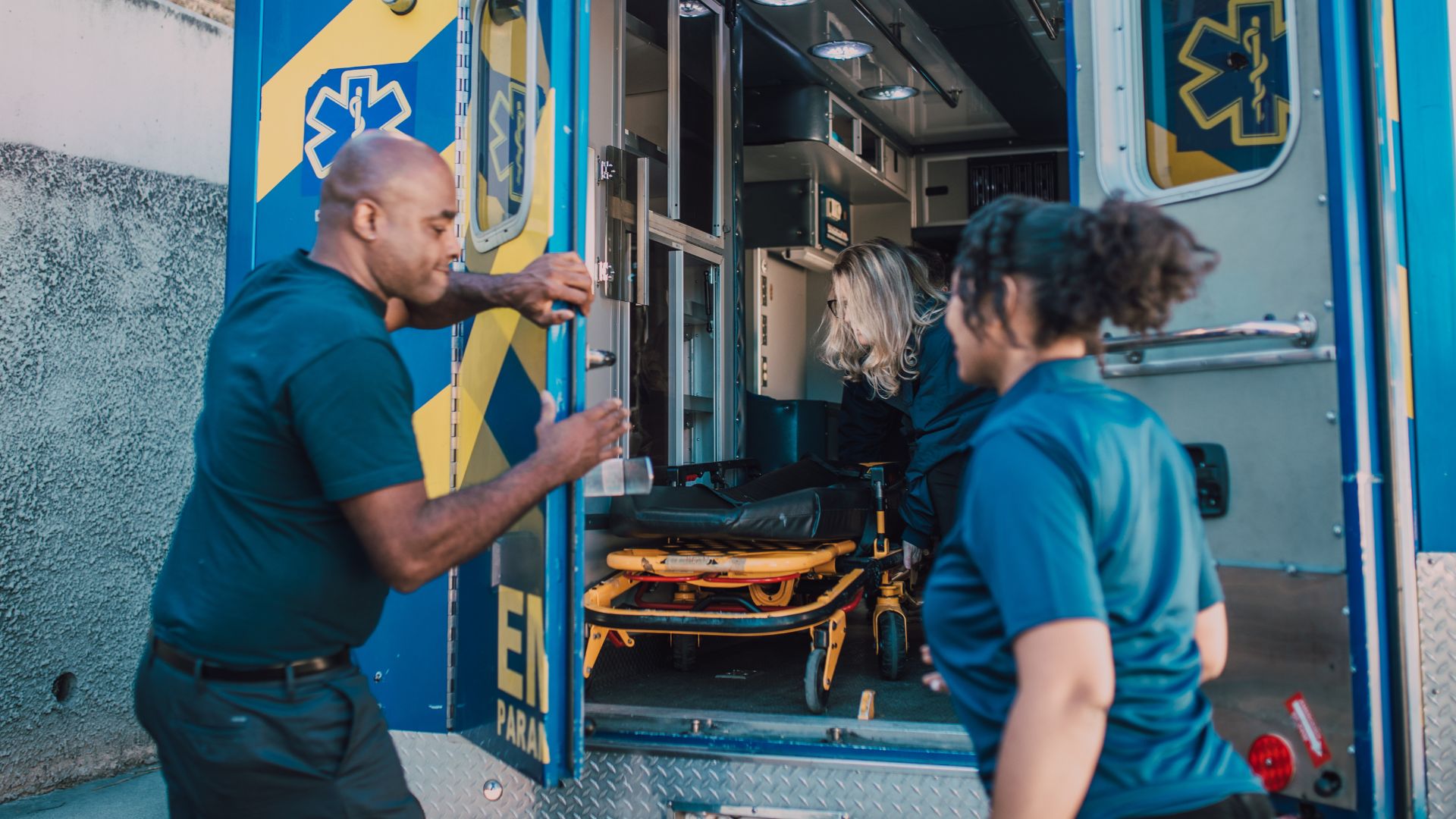
In moments of crisis, when every second counts, the ability to act swiftly and effectively can mean the difference between life and death. This is where the concept of the Chain of Survival comes into play, highlighting the critical role of CPR in emergencies. Understanding how each link in this chain functions can empower individuals to respond with confidence and potentially save lives. As we delve deeper into this life-saving protocol, we will explore its essential components, from early recognition of cardiac arrest to professional medical intervention. For more in-depth resources and training opportunities, you can visit the American Red Cross website. Stay with us as we unravel the vital steps that make up the Chain of Survival and discover how you can be a key player in ensuring its effectiveness.
What is the Chain of Survival?
To effectively respond to cardiac emergencies, understanding the Chain of Survival is paramount. This framework outlines key steps that enhance the chances of survival for individuals experiencing cardiac arrest. Let’s explore the five critical components of this life-saving protocol.
1. Early Recognition and Call for Help
Swift identification of cardiac arrest symptoms and immediate action can significantly improve outcomes. Recognizing signs like sudden collapse, unresponsiveness, and lack of breathing should prompt an urgent call to emergency services. Timely intervention is the first crucial link in the chain.
2. Early CPR
Administering CPR as soon as possible maintains blood flow to vital organs. Knowing how to perform chest compressions effectively can be the difference between life and death. Training in CPR equips individuals with the skills needed to act decisively.
3. Rapid Defibrillation
Using an Automated External Defibrillator (AED) can restore a normal heart rhythm. Public spaces are increasingly equipped with AEDs, and awareness of their location and usage is crucial. Rapid defibrillation within minutes is a pivotal link in the Chain of Survival.
4. Advanced Life Support
Once emergency services arrive, they provide advanced medical interventions. Paramedics and healthcare professionals stabilize the patient using medications and advanced airway management, crucial for improving survival rates during transport to a medical facility.
5. Integrated Post-Cardiac Arrest Care
After initial survival, comprehensive care in a hospital setting, including therapeutic hypothermia and cardiac catheterization, begins. This final link ensures long-term recovery and minimizes neurological damage, completing the Chain of Survival.
Understanding these links empowers individuals to contribute effectively in emergencies. For those looking to gain practical skills, consider enrolling in certified courses offered by organizations such as the American Red Cross.
Key Steps in Effective CPR Techniques
Understanding the Chain of Survival is crucial, but knowing how to perform each step effectively, especially CPR, is equally important. Here are five key steps to ensure your CPR technique is both effective and life-saving:
1. Assess the Situation
Before initiating CPR, quickly assess the environment for safety and confirm the person is unresponsive and not breathing. This initial step mirrors the early recognition phase of the Chain of Survival, setting the stage for timely and effective intervention.
2. Call for Emergency Help
Immediately call emergency services or instruct someone else to do so. While help is on the way, you can begin CPR. This aligns with the critical first link in the Chain of Survival, ensuring help is mobilized swiftly.
3. Begin Chest Compressions
Position your hands at the center of the chest and start compressions at a rate of 100-120 per minute. Compressions should be at least 2 inches deep to maintain blood flow to vital organs, a key component of early CPR.
4. Provide Rescue Breaths
If trained and confident, provide rescue breaths after every 30 compressions. Tilt the head back slightly, lift the chin, and deliver two breaths, each lasting about a second. This step enhances the oxygenation process, complementing the basic CPR protocol.
5. Utilize an AED if Available
As highlighted earlier, rapid defibrillation is essential. Use an AED as soon as it is available, following the device’s instructions. This action is critical for restoring the heart’s rhythm and integrates seamlessly into the Chain of Survival.
By mastering these steps, you enhance your ability to act decisively and effectively in emergencies. For comprehensive training and certification, consider enrolling in courses offered by CPR El Paso, a trusted provider of CPR and first aid education.
The Impact of CPR on Survival Rates
Understanding the Chain of Survival has highlighted the critical role of CPR in emergencies, but how exactly does CPR impact survival rates? Here, we delve into five significant ways CPR influences outcomes in cardiac arrest scenarios:
1. Immediate Circulation Support
CPR maintains vital blood flow to the heart and brain, buying crucial time until professional medical help arrives. This immediate response enhances survival rates by preventing irreversible damage during cardiac arrest.
2. Increased Chances of Defibrillation Success
Effective CPR improves the likelihood of successful defibrillation by maintaining myocardial viability. As emphasized in the Chain of Survival, combining CPR with rapid defibrillation significantly boosts the chances of restoring a normal heart rhythm.
3. Reduction of Neurological Damage
By ensuring oxygenated blood reaches the brain, CPR reduces the risk of neurological impairment post-resuscitation. This aligns with the integrated post-cardiac arrest care phase, where minimizing brain damage is paramount for recovery.
4. Enhanced Bystander Involvement
Proper CPR training equips bystanders to act confidently, increasing the overall rate of timely intervention. As public awareness grows, more people are prepared to step in, bridging the gap until emergency services arrive.
5. Empowerment Through Education
Structured training programs, such as those available through the American Red Cross, empower individuals with the knowledge and skills necessary to perform CPR effectively. This education forms a backbone for improving survival rates by bolstering community readiness.
Incorporating these elements into CPR education and practice can significantly elevate survival rates during cardiac emergencies. For those interested in learning more, consider exploring comprehensive training options to become adept at these life-saving techniques.
Training and Certification: Becoming CPR Ready
Becoming proficient in CPR is not just a skill; it’s a commitment to being prepared for emergencies when they arise. Here’s how you can become CPR ready through structured training and certification:
1. Enroll in Certified Courses
Start by selecting a reputable training provider, such as CPR El Paso. Their courses are designed to align with the critical steps of the Chain of Survival, ensuring you receive comprehensive instruction on effective CPR techniques and overall emergency response.
2. Understand the Curriculum
The curriculum typically covers the five key components of the Chain of Survival, including early recognition and rapid defibrillation. Familiarize yourself with each module to understand how CPR fits into the broader emergency response framework, enhancing both your knowledge and readiness.
3. Participate in Hands-On Training
Practical experience is invaluable. Ensure your course includes hands-on practice with manikins and AEDs. This real-world application reinforces your learning, simulating the urgency and conditions of actual cardiac emergencies, preparing you to act swiftly and effectively.
4. Achieve Certification
Upon completing the course, you’ll undergo an assessment to demonstrate your competency in CPR and the use of AEDs. Certification not only validates your skills but also boosts your confidence to intervene in critical situations, contributing to improved survival rates as discussed earlier.
5. Commit to Ongoing Education
Staying CPR ready requires regular refreshers. Engage in continuous learning to keep abreast of the latest techniques and protocols. By maintaining your certification, you ensure your skills remain sharp, aligning with the evolving standards of emergency care.
By following these steps, you not only equip yourself with life-saving skills but also become a vital link in the Chain of Survival. For further details on courses and certification, visit CPR El Paso, your partner in emergency preparedness.
Top CPR Certification In El Paso
In conclusion, the Chain of Survival serves as a crucial framework that enhances the chances of survival in cardiac emergencies. By understanding and implementing each link,from early recognition and CPR to rapid defibrillation and advanced care,individuals can significantly impact outcomes. As discussed, mastering effective CPR techniques and having the confidence to act swiftly are vital components in this life-saving process.
To truly make a difference, consider enrolling in certified courses that offer comprehensive training and hands-on practice. CPR El Paso provides a valuable resource for those committed to becoming proficient in CPR and emergency response. Their structured curriculum aligns with the Chain of Survival, ensuring you are well-prepared to intervene when every second counts.
By taking these actionable steps, you not only equip yourself with critical skills but also become an essential participant in your community’s emergency preparedness. Visit CPR El Paso to learn more about available courses and certification programs. Together, we can improve survival rates and empower more individuals to act confidently in emergencies.
Frequently Asked Questions
What is the chain of survival and why is it important in CPR?
The Chain of Survival is a critical framework in emergency response, particularly for cardiac arrest situations. It outlines five essential steps: early recognition and call for help, early CPR, rapid defibrillation, advanced life support, and integrated post-cardiac arrest care. Each link in the chain is vital for enhancing survival rates and ensuring effective response in emergencies. Understanding and implementing this framework empowers individuals to take swift, decisive action, significantly improving the chances of survival and recovery for those experiencing cardiac emergencies.
How does CPR fit into the chain of survival?
CPR is a fundamental component of the Chain of Survival and plays a crucial role in maintaining circulation to vital organs during cardiac arrest. It fits into the second link of the chain, where early CPR is emphasized to keep blood flowing until advanced medical help arrives. Effective CPR helps preserve the heart and brain function, increases the chances of successful defibrillation, and reduces the risk of long-term damage. Proper training ensures that individuals can administer CPR confidently, reinforcing its importance in emergency response.
Why is early CPR crucial in emergency situations?
Early CPR is crucial because it sustains blood flow to the brain and heart, buying precious time until professional medical personnel can provide advanced care. Administering CPR immediately after recognizing cardiac arrest can significantly improve survival rates by preventing irreversible damage to vital organs. The timely application of CPR also enhances the effectiveness of subsequent defibrillation efforts, aligning with the critical steps outlined in the Chain of Survival. Quick and effective action in the initial moments of an emergency can be the deciding factor between life and death.
When should I perform CPR on a person in need?
You should perform CPR when you recognize the signs of cardiac arrest: sudden collapse, unresponsiveness, and absence of normal breathing. Before starting CPR, assess the environment for safety and confirm the individual’s condition. If they are unresponsive and not breathing, initiate CPR immediately and call for emergency help. This aligns with the first link in the Chain of Survival, ensuring a prompt response. Proper training equips you to act decisively in these critical moments, increasing the likelihood of a positive outcome.