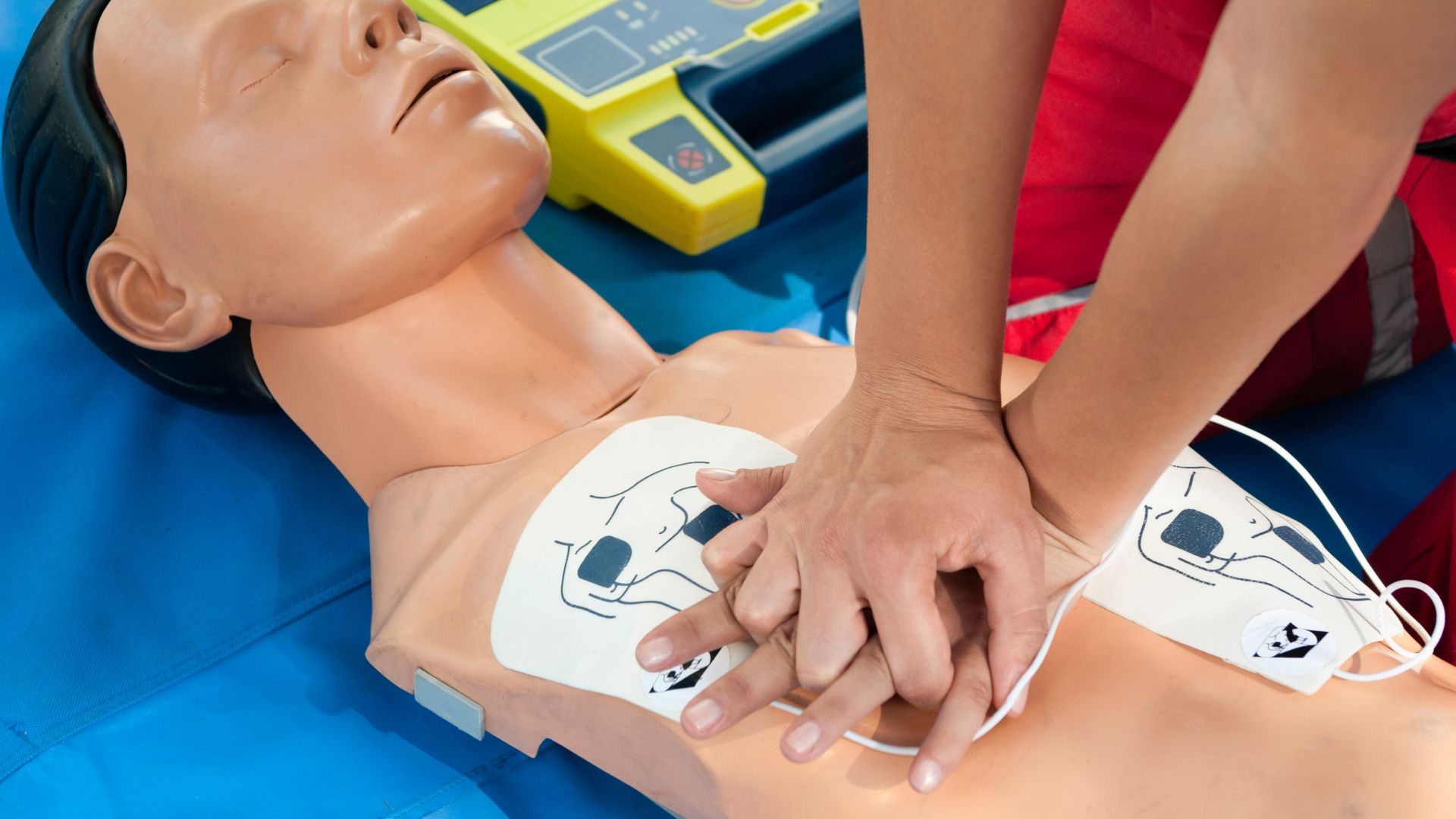
In today’s fast-paced world, the ability to respond swiftly and efficiently in emergency situations can make a significant difference in outcomes. As medical emergencies can occur at any time, maintaining and enhancing life-saving skills through CPR recertification is crucial for everyone, from healthcare professionals to everyday citizens. With evolving guidelines and techniques, staying updated ensures that individuals are well-prepared to act decisively and confidently when it matters most.
This blog post will delve into the importance of CPR recertification, exploring the latest advancements in training and the critical role it plays in community health and safety. We will also discuss how regular recertification fosters a sense of readiness and empowerment, equipping individuals with the knowledge and skills necessary to save lives. Whether you are a seasoned professional or a concerned citizen, understanding the nuances of CPR can enhance your ability to contribute positively in emergency situations.
As we explore these topics further, you will find comprehensive insights and practical advice on maintaining your certification and staying informed about current CPR practices. For more detailed guidelines on CPR courses, you can visit the American Red Cross. Join us as we navigate the critical aspects of CPR recertification and underscore its impact on saving lives.
Why CPR Recertification is Crucial for Everyone
Ensuring that your CPR certification is up-to-date is not just a formality; it’s a crucial step in safeguarding the health and safety of those around you. Whether you’re a healthcare professional or an attentive community member, here are five compelling reasons why CPR recertification is essential for everyone:
1. Staying Current with Guidelines: CPR techniques and guidelines are constantly evolving based on new research and advancements in medical science. By regularly recertifying, you ensure that your skills are aligned with the latest standards, enabling you to provide the most effective care. Organizations like the CPR El Paso frequently update their recommendations, highlighting the importance of staying informed.
2. Enhancing Confidence and Competence: Regular training boosts your confidence in handling emergency situations. Knowing that you are equipped with the right skills reduces hesitation and allows you to act swiftly and effectively, potentially saving lives. As discussed earlier, this preparedness is a key component in fostering a sense of empowerment.
3. Meeting Professional Requirements: For many professionals, maintaining a valid CPR certification is not just advisable but required. Whether you’re in healthcare, education, or another field that mandates certification, recertification ensures compliance with industry standards and enhances your professional credibility.
4. Improving Community Health: Widespread CPR knowledge can significantly impact community health outcomes. By keeping your certification current, you contribute to a community that is better prepared to handle emergencies, thereby increasing the chances of survival for cardiac arrest victims. For local training options, consider visiting CPR El Paso for courses tailored to your needs.
5. Encouraging a Culture of Preparedness: Recertification promotes a culture of readiness, where individuals are proactive about their ability to respond in emergencies. This cultural shift can lead to more lives saved, as more people are willing and able to step in when needed. As highlighted in our previous section, this readiness is a vital aspect of community safety.
Top Benefits of Keeping Your CPR Skills Updated
1. Increased Survival Rates: Keeping your CPR skills updated greatly enhances the chances of survival for those experiencing cardiac arrest. As discussed, guidelines evolve frequently, ensuring that your actions are based on the most effective techniques can make a life-or-death difference. According to the CDC, immediate CPR can double or even triple the chances of survival after cardiac arrest.
2. Strengthened Community Resilience: An updated CPR certification contributes to a robust community prepared to tackle emergencies. This aligns with the idea of fostering a culture of preparedness, as mentioned earlier. By ensuring your skills are current, you become a vital link in a chain of survival that can lead to better health outcomes for your community.
3. Personal Growth and Development: Engaging in regular recertification not only keeps your skills sharp but also contributes to your personal growth. It encourages continuous learning and adaptability, qualities that are invaluable in both personal and professional settings. For additional resources on personal development through CPR training, visit the American Red Cross.
4. Professional Advancement Opportunities: As previously discussed, many professions require a valid CPR certification. Staying updated can open doors to new career opportunities and advancements, setting you apart as a dedicated and qualified candidate. Employers often seek individuals who remain committed to maintaining essential life-saving skills.
5. Enhanced Emergency Response Preparedness: Regularly updating your CPR skills ensures you remain calm and collected in emergencies, a critical aspect of effective response. This preparedness is a cornerstone of the empowerment we highlighted initially, providing you with the confidence to act decisively when it matters most.
Essential Steps for CPR Recertification Success
Achieving success in CPR recertification involves understanding and following a series of essential steps designed to ensure you remain adept in life-saving techniques. As we have emphasized, keeping your skills updated not only enhances personal and community safety but also supports professional growth. Here are key steps to help you navigate the recertification process effectively:
1. Choose the Right Course: Select a CPR recertification course that aligns with the latest guidelines and standards. Organizations like the American Red Cross offer comprehensive programs that are regularly updated. For those located in Texas, CPR El Paso provides tailored courses to meet your needs.
2. Schedule Regular Training Sessions: Consistency is key in maintaining proficiency. Set a schedule that allows for periodic training, ensuring your skills remain sharp and relevant. This approach aligns with our earlier discussion on fostering a culture of preparedness, where continual learning is encouraged.
3. Engage in Hands-On Practice: Practical experience is invaluable. Engage in simulation exercises that mimic real-life scenarios, as these provide critical hands-on practice. This step enhances your confidence and competence, as highlighted in previous sections.
4. Stay Informed on Updates: Keep abreast of any changes in CPR techniques and guidelines by subscribing to updates from reputable organizations. This ensures your skills are aligned with the most current practices, a point we have stressed is crucial for effective emergency response.
5. Utilize Online Resources: Leverage online platforms for additional learning materials and resources. The American Red Cross offers a wealth of information to support your recertification journey. This complements the personal growth aspect we discussed earlier, encouraging continuous development.
6. Reflect and Review: After each training session, take time to reflect on what you’ve learned and identify areas for improvement. This reflective practice supports the empowerment and readiness we have continually emphasized.
By following these steps, you can ensure your CPR recertification process is not only successful but also contributes significantly to your ability to respond effectively in emergencies. This commitment to maintaining updated skills underscores the importance of preparedness, a theme central to our discussion on enhancing community resilience and personal empowerment.
Choosing the Right CPR Recertification Course
In selecting the appropriate CPR recertification course, it’s vital to ensure that the program meets the evolving standards and guidelines, as emphasized throughout our discussion. With numerous options available, choosing a course that aligns with both your professional requirements and personal learning style can significantly impact your success and confidence in emergency situations.
1. Evaluate Course Accreditation: Ensure that the course you choose is accredited by reputable organizations such as the American Red Cross. These organizations provide courses that are recognized for maintaining the highest standards of CPR training, ensuring your certification is both credible and respected.
2. Consider Course Format: Whether you prefer traditional classroom settings or the flexibility of online learning, select a format that best suits your lifestyle and learning preferences. CPR El Paso (ARC) offers various formats, allowing you to choose a method that ensures you remain engaged and retain critical information effectively.
3. Assess Instructor Expertise: A knowledgeable instructor can greatly enhance your learning experience. Look for courses taught by certified professionals with extensive experience in emergency response. Their insights can provide you with practical advice and real-world scenarios that enrich your understanding and application of CPR techniques.
4. Look for Comprehensive Curriculum: The course should cover all essential aspects of CPR, including the latest updates and advanced techniques. A robust curriculum ensures you are well-equipped to handle diverse emergency situations, aligning with our emphasis on preparedness and community resilience.
5. Verify Hands-On Practice Opportunities: As previously highlighted, practical experience is crucial. Ensure the course includes ample opportunities for hands-on practice through simulations or real-life scenario exercises. This practical engagement is critical for building the competence and confidence needed in emergencies.
6. Check for Continuing Education Credits: If you’re a professional seeking to fulfill continuing education requirements, verify that the course provides the necessary credits. This not only supports your professional growth but also reinforces your commitment to maintaining up-to-date life-saving skills.
Choosing the right CPR recertification course is a strategic step in ensuring you remain a competent and confident responder. By carefully considering these factors, you can select a course that not only meets your immediate recertification needs but also contributes to your long-term goals of personal and professional development. For tailored CPR courses in Texas, visit CPR El Paso to explore options that suit your needs.
Final Thoughts On CPR Recertification
CPR recertification is a vital endeavor for anyone committed to safeguarding the health and well-being of their community. By staying updated with the latest guidelines and techniques, you not only enhance your confidence and competence but also contribute to a culture of preparedness that can save lives. Whether you are a healthcare professional or a concerned citizen, maintaining an active CPR certification is an essential step towards ensuring the safety and resilience of those around you.
As we’ve discussed, choosing the right course is a strategic decision that impacts your ability to respond effectively in emergencies. Opting for programs from reputable organizations like the American Red Cross ensures your training is both credible and comprehensive. For those in Texas, CPR El Paso offers tailored courses that meet your specific needs, providing the hands-on practice and expert instruction necessary for success.
Now is the time to take action. Visit CPR El Paso to explore available courses and secure your spot. Investing in your CPR skills not only fulfills professional requirements but also empowers you to make a tangible difference in critical situations. Embrace the opportunity to be a proactive member of a safer, more resilient community.
Frequently Asked Questions
What is CPR recertification and why is it important?
CPR recertification is the process of renewing your CPR certification to ensure your skills remain current with the latest guidelines and techniques. It is important because CPR techniques and guidelines are constantly evolving based on new medical research. By staying updated, individuals can provide the most effective care, enhancing their ability to save lives in emergency situations. Regular recertification also fosters confidence, competence, and preparedness, empowering individuals to respond swiftly and effectively when it matters most.
How often should CPR recertification be renewed?
CPR recertification should generally be renewed every two years. However, this can depend on organizational requirements or professional standards specific to certain fields, such as healthcare or education. Ensuring your certification is up-to-date is crucial as it aligns your skills with the latest industry guidelines and practices. Regular renewal not only meets professional requirements but also enhances your confidence and competence in handling emergencies.
What are the steps to successfully complete a CPR recertification course?
Successfully completing a CPR recertification course involves several key steps: Choose the right course accredited by reputable organizations like the American Heart Association or the American Red Cross. Schedule regular training sessions for consistent practice. Engage in hands-on practice through simulations to build competence. Stay informed on updates by subscribing to reputable sources. Utilize online resources for additional learning, and reflect and review your skills after each session to identify improvement areas. These steps ensure your skills remain sharp and effective.
Why do businesses require employees to have up-to-date CPR certification?
Businesses require employees to have up-to-date CPR certification to ensure workplace safety and compliance with industry standards. For many professions, particularly in healthcare and education, maintaining a valid CPR certification is mandatory. This requirement enhances professional credibility and ensures that employees are prepared to handle emergency situations effectively. By fostering a culture of preparedness, businesses contribute to a safer environment and improve community health outcomes, potentially increasing survival rates in emergencies.