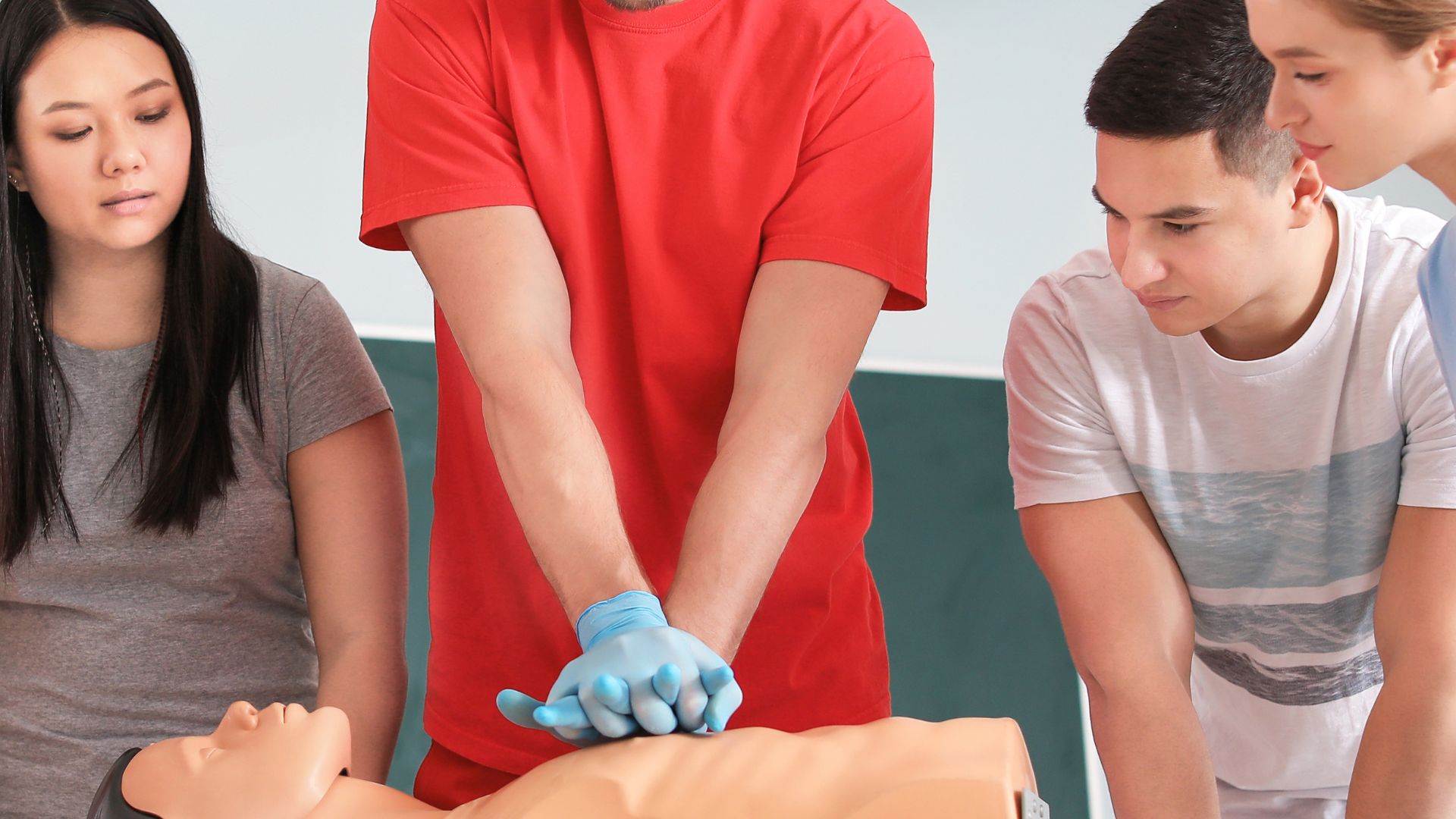
In a growing and diverse city like El Paso, access to life-saving knowledge can make a powerful difference. Cardiac arrest can happen anywhere, at home, in public, or at work, and when it does, the first few minutes are critical. Unfortunately, many people hesitate to act, not because they do not care, but because they are unsure of what to do.
That hesitation is exactly what bystander CPR training aims to overcome. When someone nearby takes action, survival chances increase dramatically. Enrolling in an in-person CPR Certification course helps bridge this gap by giving individuals the confidence and hands-on experience needed to respond immediately and effectively.
The Reality of Cardiac Arrest in the United States
Every year, more than 350,000 cardiac arrests occur outside of hospitals in the United States. These emergencies often happen in homes or public places, where immediate professional help is not available.
The most important factor in survival is not advanced medical care, it is what happens in the first few minutes. Without CPR, the chances of survival drop rapidly, and brain damage can begin within minutes.
Despite this, only about 40 to 41 percent of people experiencing cardiac arrest receive CPR from a bystander. That means more than half of victims do not get the immediate help they need.
Why Bystander CPR Matters So Much
Bystander CPR is one of the most effective ways to improve survival outcomes during cardiac arrest. When performed immediately, CPR can double or even triple a person’s chance of survival.
Research also shows that people who receive bystander CPR have significantly higher survival rates compared to those who do not.
Timing is everything. Starting CPR within the first few minutes can increase survival rates dramatically and reduce the risk of brain damage.
In simple terms, the sooner someone steps in, the better the outcome.
The Gap in Bystander CPR Rates
Even though CPR is proven to save lives, many communities still have lower bystander CPR rates. This gap is influenced by several factors:
- Lack of access to training
- Language barriers
- Cultural differences
- Fear of doing something wrong
- Concerns about legal liability
In diverse communities like El Paso, these barriers can be even more pronounced. Without targeted outreach and accessible training, many people remain unprepared to respond during an emergency.
Understanding El Paso’s Diverse Community Needs
El Paso is a unique city with a rich cultural background and a strong bilingual population. Any effort to improve CPR response rates must take these factors into account.
Effective training programs in El Paso should:
- Offer bilingual instruction
- Be accessible to all age groups
- Be affordable and easy to attend
- Focus on real-world application, not just theory
When training is inclusive and practical, more people are willing to participate and take action when needed.
Why People Hesitate to Perform CPR
One of the biggest challenges in improving bystander CPR rates is overcoming hesitation. Many people freeze during emergencies, even if they understand the importance of CPR.
Common reasons include:
- Fear of causing harm
- Lack of confidence in their skills
- Uncertainty about proper technique
- Panic in high-pressure situations
Studies have shown that even individuals who have taken CPR classes may lack confidence if they have not practiced regularly.
This is why hands-on, in-person training is so important.
The Power of In-Person CPR Training
In-person CPR training is one of the most effective ways to increase bystander response rates. It goes beyond basic instruction and focuses on building real confidence.
Here is what makes it so effective:
- Hands-on practice with mannequins
- Real-time feedback from instructors
- Repetition that builds muscle memory
- Scenario-based learning
When people physically practice CPR, they are far more likely to step in during a real emergency.
Choosing an in-person CPR Certification course ensures that you are not just learning CPR, you are preparing to use it when it matters most.
How Training Improves Confidence and Action
Confidence is the key factor that turns knowledge into action. Without confidence, even trained individuals may hesitate.
In-person training helps by:
- Reinforcing proper technique through repetition
- Allowing participants to ask questions
- Simulating real emergency situations
- Providing immediate correction and guidance
This type of training transforms uncertainty into readiness.
The Role of Education in Saving Lives
Education is one of the most powerful tools for improving CPR response rates. When communities are educated, they are empowered to act.
Programs that focus on public awareness and training can:
- Increase CPR participation rates
- Improve survival outcomes
- Reduce disparities between communities
- Build a culture of preparedness
In cities like El Paso, expanding access to education can have a significant impact on public health.
Addressing Disparities in CPR Response
Research has shown that certain populations are less likely to receive bystander CPR, including minority communities and women.
These disparities highlight the need for targeted outreach and inclusive training programs.
By focusing on:
- Community-based education
- Accessible training locations
- Culturally relevant instruction
Cities can help close the gap and ensure that more people receive life-saving care.
Why Immediate Action Is Critical
Cardiac arrest is a race against time. Every minute without CPR reduces the chance of survival significantly.
Key facts to understand:
- Brain damage can begin within five minutes
- Survival rates drop rapidly without intervention
- Early CPR keeps oxygen flowing to vital organs
This is why waiting for emergency responders is not enough. The person closest to the victim plays the most important role.
Building a Culture of Preparedness in El Paso
Improving bystander CPR rates requires a community-wide effort. It is not just about training individuals, it is about creating a culture where helping others is the norm.
This can be achieved by:
- Encouraging CPR training in schools
- Offering community workshops
- Promoting awareness campaigns
- Making training widely accessible
When more people are trained, the entire community becomes safer.
Who Should Get CPR Certified in El Paso?
CPR training is not just for healthcare professionals. Anyone can be in a position to save a life.
You should consider getting certified if you are:
- A parent or caregiver
- A teacher or school staff member
- A restaurant or retail worker
- A fitness trainer
- A community member who wants to be prepared
The more people who are trained, the higher the chances that someone will be ready to act during an emergency.
The Importance of Hands-On Practice
There is a major difference between watching a video and performing CPR in real life. In-person training provides the hands-on experience needed to build real skill.
During training, you will:
- Practice chest compressions
- Learn proper timing and depth
- Understand how to respond under pressure
- Build confidence through repetition
This experience is what prepares you to act quickly and effectively.
How CPR Training Strengthens Communities
When more people are trained in CPR, the benefits extend beyond individual emergencies.
Communities with higher CPR training rates often see:
- Improved survival rates
- Faster response times
- Greater public confidence
- Stronger community connections
Training does not just save lives, it strengthens communities.
Choosing the Right CPR Training in El Paso
Not all CPR courses are the same, so it is important to choose a provider that emphasizes hands-on learning.
Look for:
- Fully in-person instruction
- Certified instructors
- Real-world scenario training
- Same-day certification options
Enrolling in a trusted CPR Certification course ensures you receive the training needed to respond confidently in real emergencies.
Final Thoughts on Improving CPR Response in El Paso
Bridging the gap in bystander CPR rates starts with education, access, and confidence. In a diverse city like El Paso, making training accessible and practical is key to saving lives.
The reality is simple. Cardiac arrest can happen anywhere, and the person closest to the victim has the power to make a difference. By learning CPR and being prepared to act, you become a critical link in the chain of survival.
Choosing an in-person CPR Certification course gives you the hands-on experience and confidence needed to step in when it matters most. In those critical first minutes, your actions could be the reason someone survives.
Frequently Asked Questions About Bystander CPR
What is bystander CPR?
Bystander CPR is CPR performed by someone who is not a medical professional but is present at the scene of an emergency.
How effective is bystander CPR?
It can double or triple a person’s chance of survival when performed immediately.
Why do people hesitate to perform CPR?
Common reasons include fear of doing it wrong, lack of confidence, and uncertainty about the situation.
Is in-person CPR training better than online training?
Yes, in-person training provides hands-on practice and builds confidence, making people more likely to act.
Who should learn CPR in El Paso?
Anyone can benefit, including parents, teachers, workers, and community members.
How long does CPR certification last?
CPR certification typically lasts two years before renewal is required.