CPR techniques vary depending on the age and size of the person receiving care. Understanding the difference between adult, child, and infant CPR is essential for anyone who wants to respond effectively during an emergency. Through proper CPR Certification, individuals learn how to adjust chest compressions, rescue breathing, and overall response techniques to safely assist people of different ages.
In a city like El Paso where families, schools, and community activities are constantly active, having residents trained in age specific CPR techniques strengthens community safety. A medical emergency can occur anywhere, from homes and playgrounds to schools and workplaces. Knowing how to perform CPR correctly for adults, children, and infants ensures that bystanders can provide appropriate lifesaving care until professional responders arrive.
Why CPR Techniques Differ by Age
Although the basic goal of CPR is the same for all age groups, maintaining circulation and oxygen flow to vital organs, the techniques must be adjusted based on body size, bone structure, and common causes of cardiac arrest.
Adults have larger bodies and stronger bones, which means chest compressions must be deeper and delivered with more force. Children and infants have smaller and more delicate bodies, so the compression depth and hand placement must be modified to avoid injury while still circulating blood effectively.
Another key difference involves the cause of cardiac arrest. In adults, cardiac arrest often results from heart related conditions such as coronary artery disease or arrhythmias. For children and infants, respiratory problems, choking, or drowning are more common causes. Because breathing issues often lead to cardiac arrest in younger individuals, rescue breaths play a particularly important role during pediatric CPR.
Understanding these differences helps ensure that the person performing CPR provides the most effective care for the victim’s age group.
Adult CPR Techniques
Adult CPR is designed for individuals who are typically considered to be around puberty age or older. Adults have fully developed skeletal structures, which means stronger compressions are necessary to circulate blood effectively.
During adult CPR, the rescuer places both hands in the center of the chest on the lower half of the breastbone. With arms straight and shoulders positioned directly above the hands, compressions are delivered using body weight to reach the correct depth.
Adult chest compressions should be at least two inches deep and performed at a rate of about 100 to 120 compressions per minute. Allowing the chest to fully recoil between compressions is important so the heart can refill with blood.
If the rescuer is trained to provide rescue breaths, the typical ratio is 30 compressions followed by two breaths. If the rescuer is not trained in breathing techniques, hands only CPR can still provide lifesaving circulation until emergency services arrive.
Automated external defibrillators are also frequently used during adult cardiac arrest. AED devices analyze heart rhythm and can deliver an electrical shock when necessary to restore a normal rhythm.
CPR Techniques for Children
Child CPR applies to individuals who are typically between the ages of one year and the onset of puberty. Children have smaller bodies than adults, so compression force and hand placement must be adjusted.
For child CPR, the rescuer may use one or two hands depending on the size of the child. The heel of the hand is placed in the center of the chest, similar to adult CPR, but compressions are generally less forceful.
The recommended compression depth for children is about two inches or approximately one third of the depth of the chest. Compressions should still be delivered at the same rate as adult CPR, around 100 to 120 compressions per minute.
Rescue breaths are especially important in pediatric emergencies because respiratory issues often trigger cardiac arrest in children. After 30 compressions, two breaths are delivered if the rescuer is trained to do so.
AED devices can also be used on children. Many AEDs include pediatric pads or settings designed specifically for younger individuals. If pediatric pads are not available, adult pads can be used as long as they do not overlap.
Infant CPR Techniques
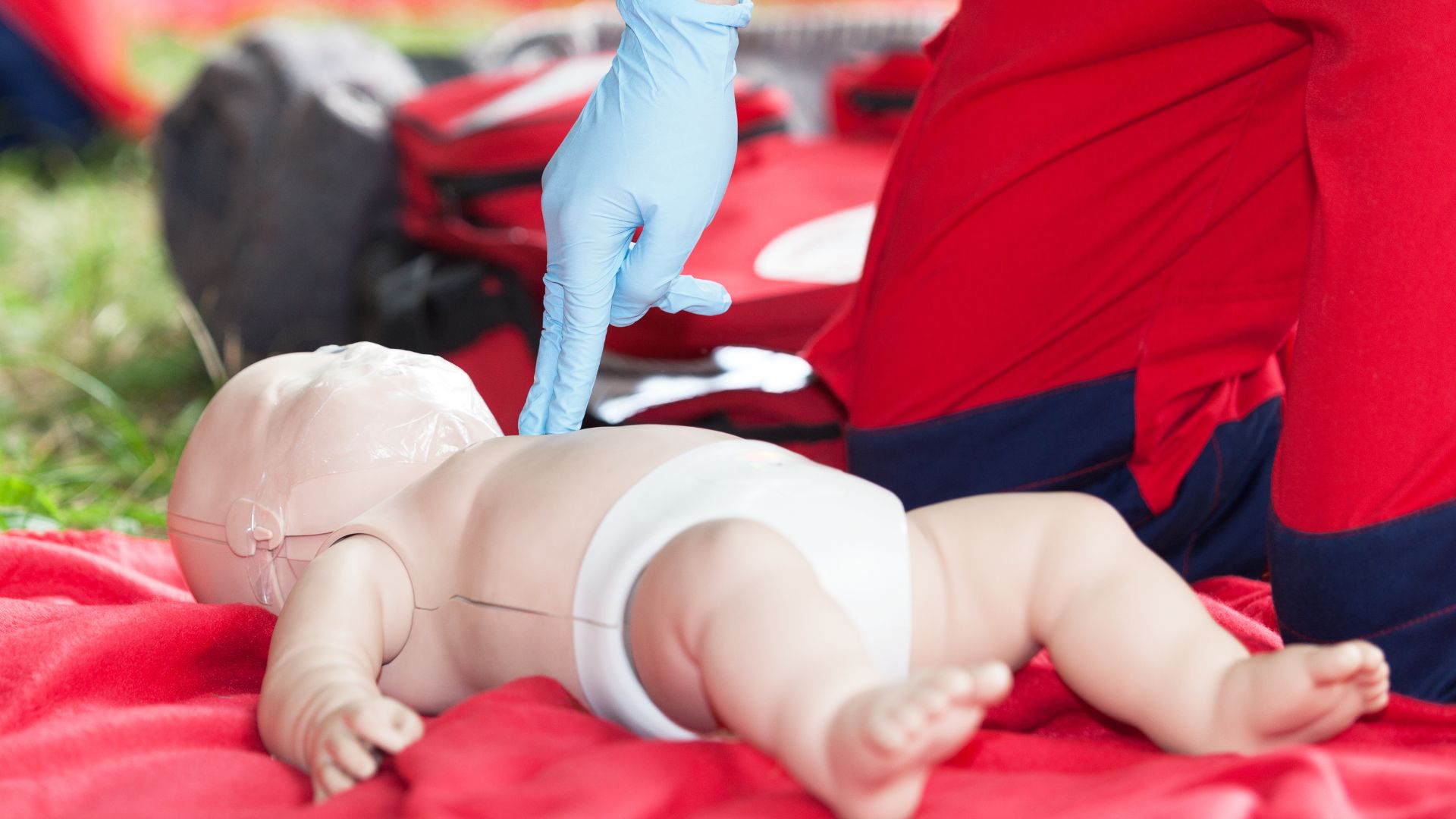
Infant CPR is performed on babies under one year of age. Because infants are extremely small and fragile, compression techniques must be significantly modified.
Instead of using the entire hand, rescuers use two fingers placed in the center of the chest just below the nipple line. The compression depth should be approximately one and a half inches or about one third of the infant’s chest depth.
The compression rate remains the same as other forms of CPR, around 100 to 120 compressions per minute. Gentle but consistent compressions are essential to circulate blood without causing injury.
Rescue breaths are also very important during infant CPR because breathing issues frequently lead to cardiac arrest in babies. Instead of sealing over only the mouth, the rescuer covers both the infant’s nose and mouth with their mouth to deliver a small, gentle breath.
If an AED is available, pediatric pads should be used whenever possible. Adult pads may be used if pediatric ones are not available, but they should be placed so they do not touch each other.
The Role of AED Devices in Different Age Groups
Automated external defibrillators are important tools in cardiac emergencies. These devices analyze the heart’s rhythm and determine whether a shock is needed.
For adults, AED use is straightforward. Pads are placed on the chest and the device provides voice prompts that guide the rescuer through each step.
For children, AED devices often have pediatric settings or pads that reduce the electrical energy delivered. These settings help ensure the shock is appropriate for the smaller body.
For infants, pediatric pads are strongly recommended. If unavailable, adult pads can be used but must be positioned carefully to avoid overlap.
Training in AED use is typically included in CPR Certification courses, ensuring individuals know how to operate the device safely for different age groups.
Why Proper Training Matters
Learning CPR techniques through structured training is critical for effective response during emergencies. While basic instructions can be read online, hands on practice helps individuals understand the correct pressure, rhythm, and positioning required for successful compressions.
During CPR Certification courses, participants practice compressions on mannequins designed for adults, children, and infants. These training tools allow instructors to measure compression depth and provide feedback on technique.
Students also practice using AED trainers that simulate real device prompts. This experience helps individuals feel more comfortable operating the equipment during a real emergency.
Training scenarios often include simulations that mimic real world emergencies, helping participants develop confidence and reduce hesitation when responding to critical situations.
Common Situations Where CPR May Be Needed
CPR can become necessary in many everyday situations. For adults, sudden cardiac arrest caused by heart disease is one of the most common reasons CPR is performed.
Children may require CPR due to choking incidents, drowning, severe asthma attacks, or traumatic injuries. In infants, suffocation, respiratory illness, or sudden infant emergencies can lead to situations where CPR is needed.
In El Paso, residents frequently participate in outdoor activities, sports, and family gatherings. These environments highlight the importance of having individuals trained in CPR for all age groups. Quick action from a trained bystander can sustain life until paramedics arrive.
Knowing how to adapt CPR techniques based on age ensures that lifesaving care is delivered safely and effectively.
The Importance of CPR Training for Families and Caregivers
Parents, teachers, babysitters, and caregivers benefit greatly from CPR training. Because they spend significant time around children and infants, being prepared for emergencies can provide peace of mind.
Family members who are trained in CPR can respond immediately if a medical emergency occurs at home. In situations involving infants or toddlers, quick response is especially important because breathing related emergencies can escalate quickly.
Training also helps caregivers recognize warning signs before a situation becomes life threatening. Understanding the difference between adult, child, and infant CPR ensures that caregivers provide the correct technique for each situation.
Communities like El Paso benefit when more residents have access to CPR training and understand how to assist people of all ages.
Final Thoughts on CPR for Adults, Children, and Infants
Understanding the differences between adult, child, and infant CPR is essential for anyone who wants to be prepared during medical emergencies. Each age group requires adjustments in compression depth, hand placement, and breathing techniques to ensure effective lifesaving care. Completing CPR Certification training helps individuals learn these differences through hands on practice and expert instruction.
In communities like El Paso, where families, schools, and recreational activities bring people together every day, having trained individuals nearby can make a lifesaving difference. By learning age specific CPR techniques and maintaining current certification, residents can respond confidently during emergencies and provide immediate care until professional responders arrive.
Preparation saves lives. When more individuals commit to CPR training and understand the proper techniques for adults, children, and infants, communities become safer and more resilient.
Frequently Asked Questions
What is the main difference between adult and child CPR?
The main difference is compression depth and force. Adult CPR requires deeper compressions using both hands, while child CPR often uses one hand and slightly less force due to the smaller body size.
How is infant CPR different from adult CPR?
Infant CPR uses two fingers instead of the whole hand and requires much gentler compressions that are about one and a half inches deep.
Can an AED be used on children and infants?
Yes. AEDs can be used on children and infants. Pediatric pads or settings are preferred because they reduce the shock energy delivered.
Why is CPR training important for families?
CPR training prepares parents and caregivers to respond quickly during emergencies involving children or infants. Proper training helps ensure the correct techniques are used for different age groups.